Precision Inspection · Confidence in Every ProductEnglish
AICIM-1800W
Capsule Vision Inspection and Checkweigher
Inspect capsule appearance and verify individual capsule weight in one coordinated system. AICIM-1800W combines 360° vision inspection with 100% checkweighing and linked acceptance and rejection decisions. For pharmaceutical and nutraceutical production, including dietary supplements.
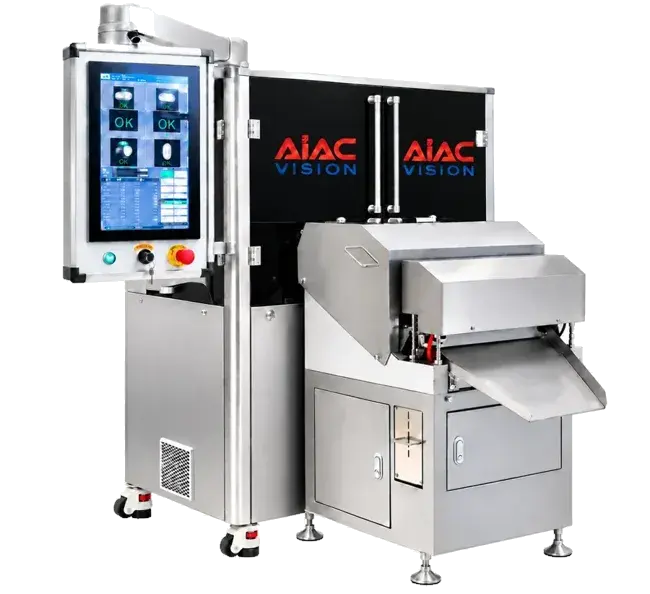
360° vision inspectionProduct-specific appearance checks
100% checkweighingEvery capsule measured individually
Up to 108,000/hourCombined vision and weight inspection

Product Video
See AICIM-1800W in action.
Filled capsule applications
Five capsule formats.
Appearance and weight together.
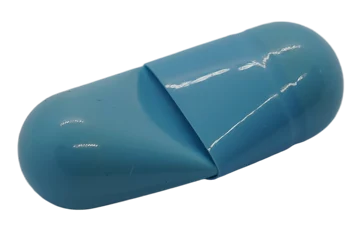
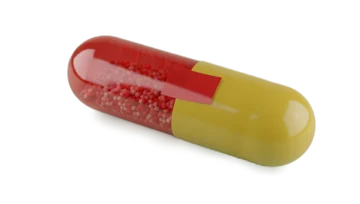
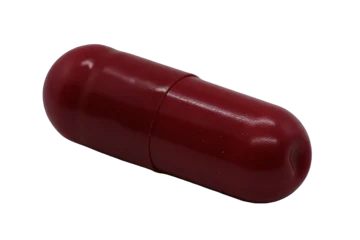
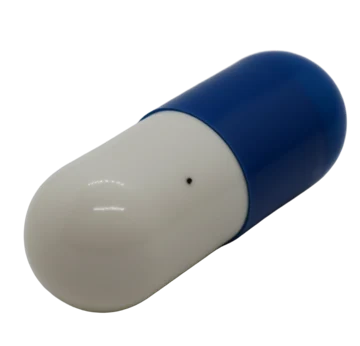
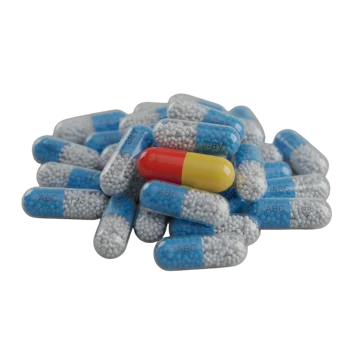
Inspect filled hard capsules after filling and before packaging, with recipes matched to shell appearance, fill material and weight limits.
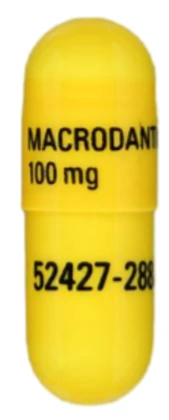
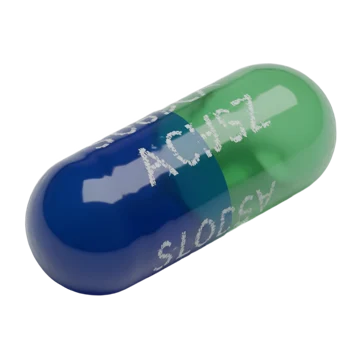
Printed Opaque Powder-Filled
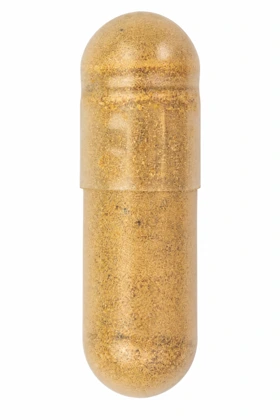
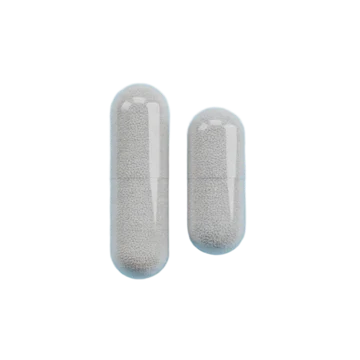
Transparent Powder-Filled
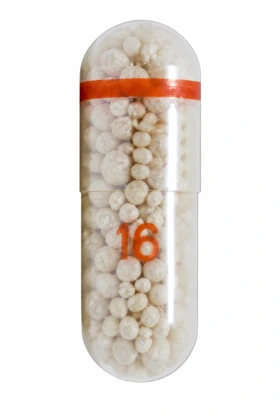
Transparent Pellet-Filled
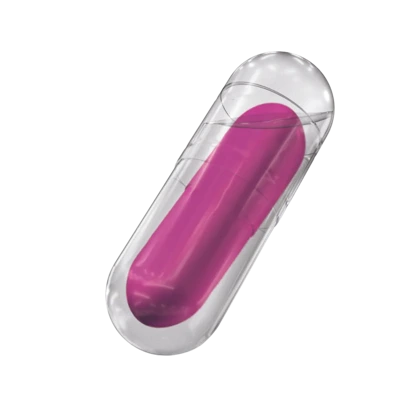
Liquid-Filled Capsule (Capsule in Capsule)
Compatible capsule sizes: #00E, #00, #0, #1, #2, #3, #4 and #5; contact AIACVISION for other sizes.
Defect examples
Control appearance.
Verify every capsule's weight.
Original image (left) · Inspection result (right)
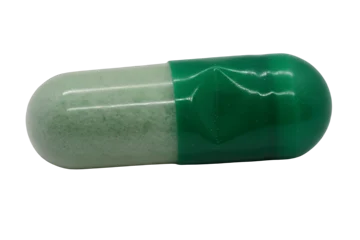
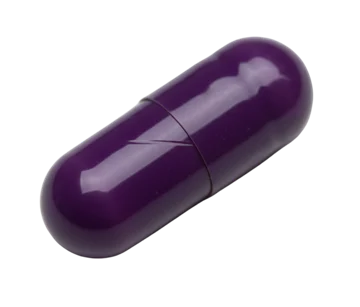
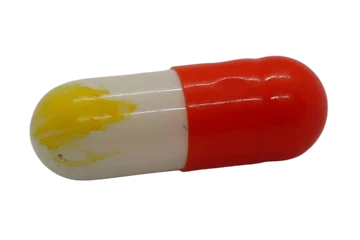
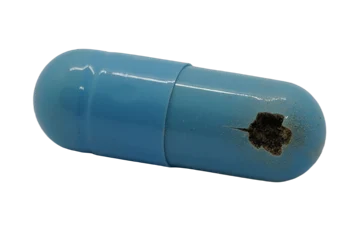
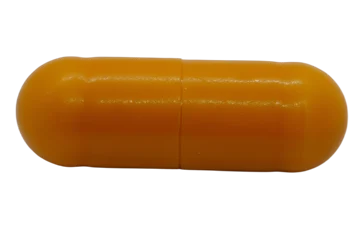
Product-specific weight limits additionally identify underweight and overweight capsules; visual and weight results are linked to the final pass/fail decision.
How it works
Two inspections.
One coordinated process.
Vision results and individual capsule weight measurements are associated with each capsule to support coordinated acceptance and rejection.
360° Appearance Checks
AI Deep Learning and Pattern Recognition evaluate visible capsule defects using product-specific recipes.
Individual Weight Measurement
Every capsule is checked against the defined weight limits within the 50–2,000 mg weighing range.
Final Pass/Fail Decision
Appearance results and measured weight are linked to the final decision and batch-level inspection statistics.
AI-Driven Appearance Inspection
Checks include dents, cracks, holes, telescoped capsules, discoloration, stains and printing defects.
Product-Specific Weight Limits
Individual measurements identify capsules outside the specified total-weight range.
Batch Review & Integration
Linked results and batch statistics support production review, with optional data integration.
Models & specifications
AICIM-1800W.
Vision and weight in one system.
Evaluate capsule sizes, weighing range, nominal capacity and equipment utilities for your application.
| Capacity | Up to 108,000 capsules/hour |
|---|---|
| Compatible capsule sizes | #00E, #00, #0, #1, #2, #3, #4 and #5 |
| Weighing range | 50–2,000 mg |
| Weighing accuracy | >300 mg: ±2 mg 150–300 mg: ±1.5 mg <150 mg: ±1 mg |
| Vision inspection coverage | 360° capsule vision inspection; product- and recipe-specific |
| Inspection channels | 18 |
| Camera configuration | 6 cameras, 1.3 megapixels each |
| Software functions | Linked vision results, weight measurements and final pass/fail decisions |
| Power | 6 kW |
| Power supply | 120/208 V AC, 60 Hz, 3-phase, 5-wire |
| Air pressure | 0.6 MPa |
| Air consumption | 8 gal/min |
| Dimensions, L × W × H | 43.9 × 64.9 × 66.0 in |
| Total weight | 1,720 lb |
Product compatibility, weighing accuracy and inspection performance are established under confirmed test conditions.
Individual capsule weighing accuracy
The weighing range is 50–2,000 mg. Accuracy varies with the capsule's total weight.
| Capsule weight | Weighing accuracy |
|---|---|
| >300 mg | ±2 mg |
| 150–300 mg | ±1.5 mg |
| <150 mg | ±1 mg |
Up to 1,800 capsules/minute combined inspection. Weighing accuracy and achievable speed are subject to confirmed test conditions.
Line integration
Connect inspection
with your production line.
Place combined appearance and weight verification after capsule filling and before downstream packaging.
Capsule Filling Line
Filled Capsule Inspection
Counting & Packaging Line
Build around your product flow.
Our team reviews the interfaces that determine how this system fits into your line.
- Capsule filler discharge and feeding arrangements
- Required appearance checks and capsule weight limits
- Product tracking and linked acceptance/rejection results
- Accepted-capsule discharge and downstream packaging interfaces
Product resources
Download the product brochure.
Vision Inspection and Weight Checking
AICIM-1800W combines capsule appearance inspection and individual weight measurement. Appearance and weight criteria are assessed separately and linked to product acceptance and rejection.
AICIM-1800W
Capsule Vision Inspection & Checkweighing — Frequently Asked Questions
Weighing accuracy, combined rejection, capsule compatibility and production integration.
Why combine capsule vision inspection with 100% weight inspection?
A capsule can meet its weight requirements and still have a cracked shell, an improper closure, discoloration, or another visible defect. Likewise, a capsule that looks acceptable may be underweight or overweight.
Combining vision inspection with individual capsule checkweighing provides two complementary quality checks: external appearance and total capsule weight. This helps manufacturers identify and remove capsules that fail either requirement before downstream packaging.
What capsule defects can the combined system detect?
The vision inspection system checks for visible defects such as cracked or damaged shells, improper cap-and-body assembly, deformation, stains, discoloration, and visible foreign material. The applicable defect categories depend on the capsule type, appearance, and inspection configuration.
The checkweigher measures each capsule individually and identifies capsules outside the configured weight limits. This can help detect empty or partially filled capsules, excessive filling, and other conditions that produce a measurable weight deviation.
Together, the two systems provide broader inspection coverage than either method alone.
What is the weighing accuracy?
The AICIM-1800W provides individual capsule weighing accuracy based on the capsule’s total weight:
| Total capsule weight | Weighing accuracy |
|---|---|
| Below 150 mg | ±1 mg |
| 150–300 mg | ±1.5 mg |
| Above 300 mg | ±2 mg |
The weighing range is 50–2,000 mg. These specifications apply under confirmed test conditions.
Does the system measure the total capsule weight or the net fill weight?
The checkweigher measures the total weight of the filled capsule, including both the capsule shell and its contents.
It does not directly measure the net fill weight of each capsule unless the individual empty shell weight is separately known and accounted for. Variations in capsule shell weight should therefore be considered when setting acceptance limits.
Individual capsule checkweighing helps control total-weight consistency, but it does not directly verify active ingredient content or content uniformity.
What is the throughput when both vision inspection and checkweighing are running?
The AICIM-1800W performs combined vision inspection and individual capsule checkweighing at speeds of up to 108,000 capsules per hour—equivalent to 1,800 capsules per minute.
Every capsule undergoes both appearance inspection and weight measurement, with the results combined to determine acceptance or rejection.
Which capsule sizes can the system inspect and weigh?
The AICIM-1800W supports capsule sizes #00E, #00, #0, #1, #2, #3, #4 and #5.
It accommodates a range of filled hard capsule applications, including opaque, printed, and transparent capsules. Contact AIACVISION to discuss other capsule sizes or specific product requirements.
How does combined rejection work?
The AICIM-1800W uses a combined rejection system that brings together the vision inspection result and weight measurement for each capsule.
A capsule is accepted only when it passes both the visual inspection criteria and the specified weight limits. Capsules with a visual defect, an out-of-limit weight, or both are removed through the combined rejection process.
This provides one coordinated acceptance-and-rejection process for appearance and weight inspection.
Can the system connect directly to an existing capsule filling machine?
Yes. The combined system can be configured for installation downstream of a capsule filling machine and upstream of packaging.
Integration requires reviewing the discharge arrangement, transfer height, capsule flow, production speed, available floor space, and control interfaces. The layout should also provide practical access for cleaning, changeover, and maintenance.
An appropriate feeding arrangement can also support inspection of capsules supplied from containers for separate batch processing.
Are vision inspection and checkweighing integrated into one machine?
Yes. The AICIM-1800W integrates capsule vision inspection and individual checkweighing into one compact machine.
Its small footprint helps manufacturers incorporate both inspection functions into existing production areas while simplifying equipment layout and product flow.
How easy is capsule size changeover?
Capsule size changeover is straightforward: only one size-specific change part needs to be replaced.
A typical size changeover takes approximately 10–15 minutes, making it easy to switch between supported capsule sizes and accommodate different production batches.
Can the system provide inspection records and production reports?
Yes. The AICIM-1800W provides inspection records and production reports for batch review and quality management.
Records and reports can be:
- Sent by email for convenient review and sharing.
- Downloaded to a USB drive for local storage and further analysis.
- Transferred through an MES connection to support centralized production and quality data management.
The required report format and MES interface can be defined according to your production and IT requirements.
How are false rejects controlled, and how is inspection performance verified?
Inspection settings should distinguish acceptable product variation from defects that require rejection.
For vision inspection, this includes using representative good capsules and known defect samples to establish appropriate criteria. For checkweighing, it includes setting suitable weight limits and verifying stable performance under the intended production conditions.
Performance should be assessed by checking both defect detection and false rejection of acceptable capsules. Testing should also confirm that rejected capsules are correctly separated from the accepted product flow.
Can you test our capsules before we purchase a system?
Yes. AIACVISION can evaluate representative capsules to help determine inspection suitability and recommend an appropriate system configuration.
For a useful evaluation, please provide:
- Capsule size, shell material, color, and fill type.
- Representative acceptable capsules and clearly identified defect samples.
- Target total weight and allowable weight limits.
- Required production speed.
- Details of the existing filling machine and proposed installation layout.
Sample testing helps establish realistic inspection criteria and identify any application-specific handling or configuration requirements.
Let's discuss your application
Your product.
Your inspection requirements.
Share your product type, target defects and required capacity. We will help you evaluate the next step.