Reduce Missed Defects and False Rejects
Reduce the variation caused by fatigue and changes in attention during manual visual inspection.
Inspect opaque, printed, transparent and liquid-filled hard capsules with AI Deep Learning and Pattern Recognition. Six multi-channel configurations support capacities from 1,200 to 7,200 capsules per minute. For pharmaceutical and nutraceutical production, including dietary supplements.
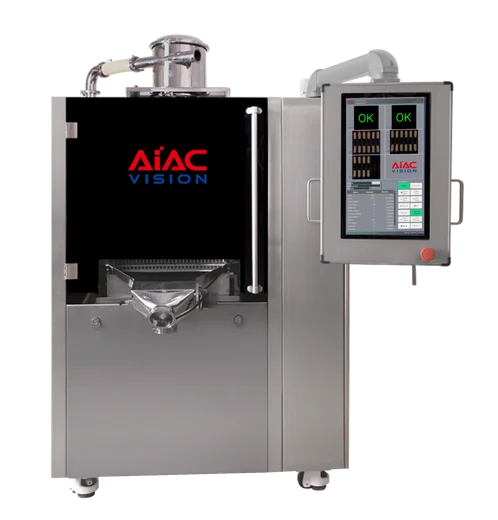

See the equipment and inspection process up close.
See the AICIM-3000 comparison case study and explore the advantages of automated visual inspection.
Reduce the variation caused by fatigue and changes in attention during manual visual inspection.
Apply consistent inspection standards throughout production without operator fatigue.
Use inspection data, visual reports and trend analysis to identify issues, trace root causes and improve production quality.
Reduce direct contact between inspection personnel and products, helping minimize secondary contamination risk.
Application-specific optics and recipes support different shell colors, print designs, filling materials and capsule configurations.
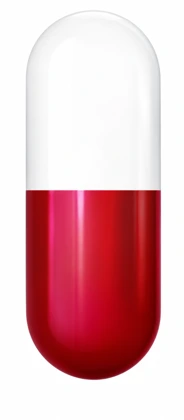
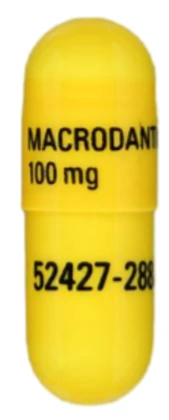
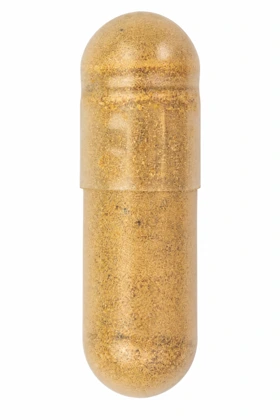
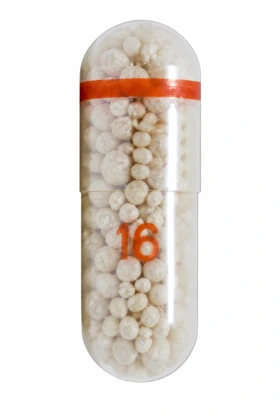
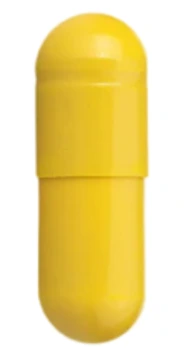
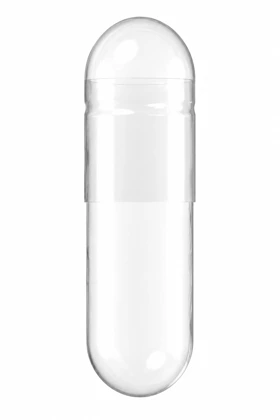
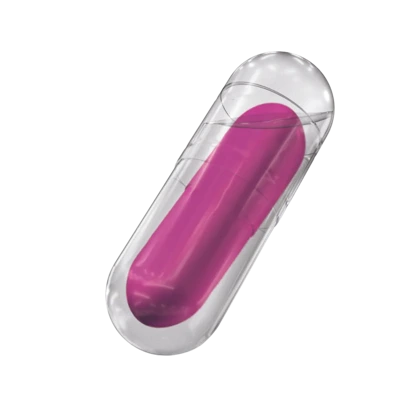
Compatible capsule sizes: #00E, #00, #0, #1, #2, #3, #4 and #5. Product compatibility is confirmed through sample testing.
Original image (left) · Inspection result (right)
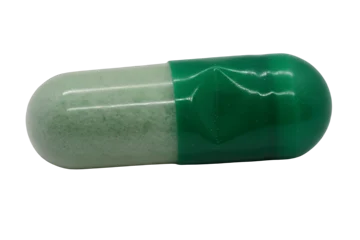
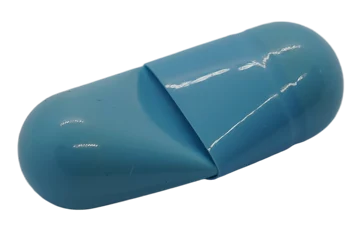
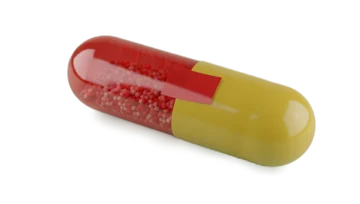
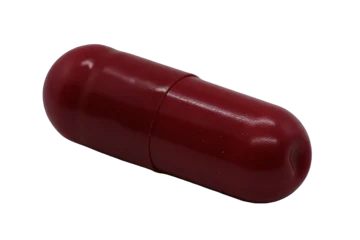
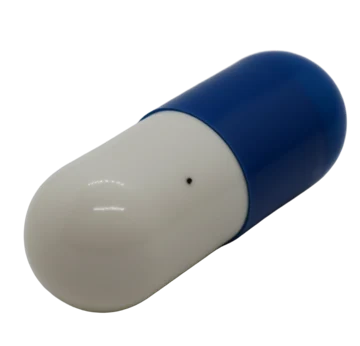
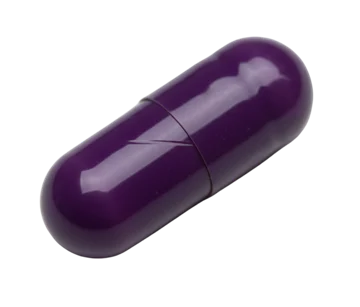
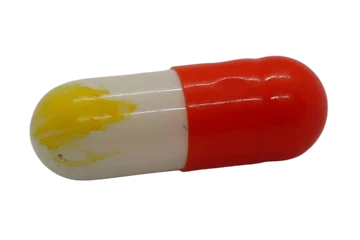
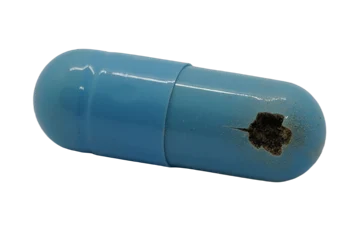
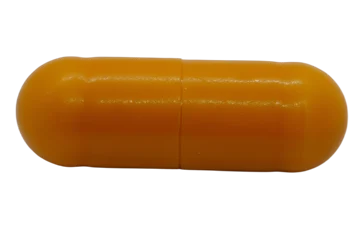
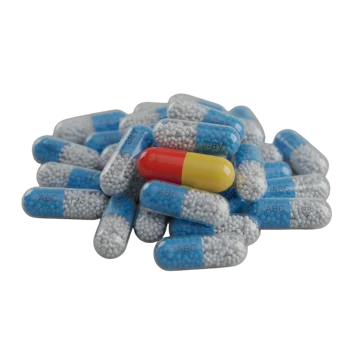
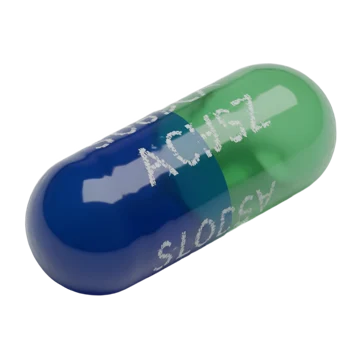
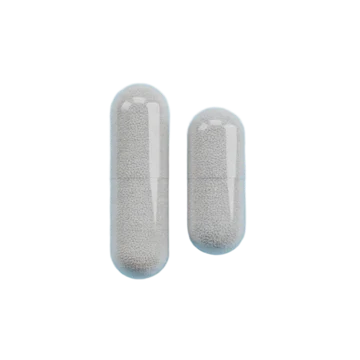
Product-specific optics, recipes and sample testing establish the inspection criteria and acceptance limits.
Controlled capsule presentation, complementary lighting and AI-supported inspection work together to reveal defects across different capsule formats.
Multi-channel handling presents capsules for consistent imaging at the selected production speed.
Up to 30 images under three lighting conditions reveal shell details and help distinguish fill patterns from defects.
Product-specific models and recipes evaluate appearance, geometry, printing and difficult transparent-shell defects.
Inspection decisions separate defective capsules from accepted products before downstream handling.
Specialized algorithms suppress print patterns and reduce glare to improve visible surface inspection.
Complementary illumination supports powder-filled, liquid-filled and empty transparent capsule applications.
One change part per capsule size supports changeovers in under 30 minutes and tool-free cleaning.
Compare channel count, nominal capacity, machine dimensions and utilities across the AICIM range.
| Capacity | Up to 72,000 capsules/hour |
|---|---|
| Compatible capsule sizes | #00E, #00, #0, #1, #2, #3, #4 and #5 |
| Inspection channels | 12 |
| Cameras | 2 |
| Power | 3 kW |
| Power supply | 120/208 V AC, 60 Hz, 3-phase, 5-wire |
| Air pressure | 0.6 MPa |
| Air consumption | 4 gal/min |
| Dimensions, L × W × H | 33.8 × 36.1 × 57.6 in |
| Total weight | 1,213 lb |
Configuration and inspection recipes are selected around capsule type, size, target defects and throughput.
Select a model above to compare its specification and identify the corresponding capacity below.
| Model | Capsules/minute | Capsules/hour |
|---|---|---|
| AICIM-1200 | Up to 1,200 | Up to 72,000 |
| AICIM-1800 | Up to 1,800 | Up to 108,000 |
| AICIM-3000 | Up to 3,000 | Up to 180,000 |
| AICIM-3600 | Up to 3,600 | Up to 216,000 |
| AICIM-4800 | Up to 4,800 | Up to 288,000 |
| AICIM-7200 | Up to 7,200 | Up to 432,000 |
Achievable capacity and inspection performance depend on the capsule and operating conditions, and are established through sample testing.
Use AICIM as a standalone inspection system or connect it with capsule filling and downstream packaging equipment.
Our team reviews the interfaces that determine how this system fits into your line.
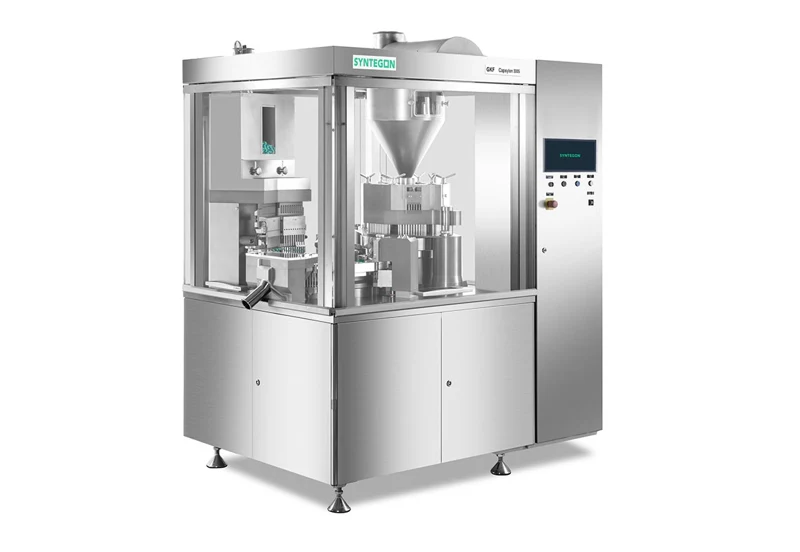
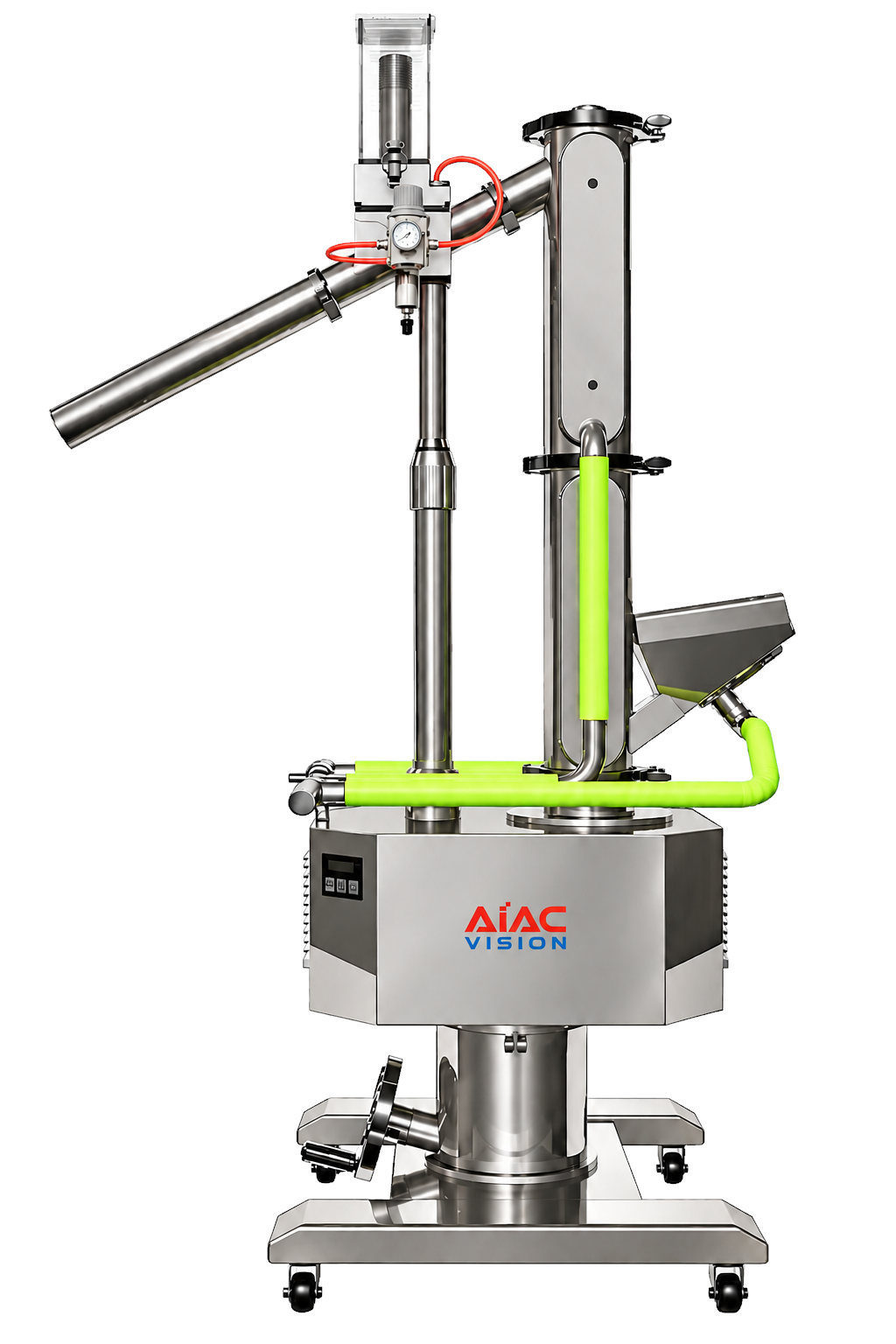
See how AIACVISION capsule vision inspection connects with a Syntegon capsule filling machine for continuous production and inspection.
Evaluate opaque, printed, transparent and liquid-filled hard capsules using the supported AICIM configuration. Select defect criteria and capacity for your product and line.
Capsule compatibility, inspection coverage, recipe setup and production integration.
The AIACVISION AICIM Series detects visible capsule defects such as dents, collapsed shells, cracks, holes, joint defects, splits, telescoped capsules, double caps, incorrect capsule length, black spots, stains, discoloration, and printing defects.
Inspection criteria are configured for each product to distinguish unacceptable defects from normal variations in capsule appearance. The applicable defect categories depend on the capsule material, transparency, printing, and fill type.
AIACVISION can evaluate your samples to establish the appropriate inspection scope and demonstrate detection results.
Yes. AICIM supports transparent and translucent capsules as well as opaque capsules, capturing up to 30 images per capsule.
Transparent capsules present additional inspection challenges because reflections, overlapping shell surfaces, and visible contents can obscure defects or resemble abnormalities.
AIACVISION combines multiple optical environments, multi-angle imaging, and AI-powered defect detection to examine each capsule under complementary conditions. Capturing up to 30 images per capsule provides multiple views to help distinguish actual defects from normal shell and content features.
AICIM rotates capsules during inspection and captures images from multiple viewing angles to examine the capsule’s cylindrical surface.
The optical arrangement also incorporates two mirrors that provide clear views of both the cap end and the body end. This allows the system to inspect the capsule’s side surface and both ends for visible defects.
Controlled capsule rotation, complementary lighting, and multi-view imaging work together to provide 360° visual inspection and minimize blind spots.
AICIM combines controlled imaging with AI-powered defect detection and conventional image analysis to distinguish defects from acceptable product variation.
Inspection performance should be assessed using representative good capsules and known defect samples at the intended production speed. Two measures are particularly important: the proportion of defective capsules correctly detected and the proportion of acceptable capsules incorrectly rejected.
AIACVISION works with customers to establish inspection criteria and verify both detection performance and false-rejection levels for their products.
AICIM supports capsule sizes #00E, #00, #0, #1, #2, #3, #4 and #5, using the appropriate size-specific change part.
Applications include gelatin and HPMC capsules; opaque, printed, transparent, and translucent shells; and powder-, granule-, pellet-, or liquid-filled hard capsules.
AICIM can also inspect empty capsules and evaluate banded liquid-filled capsules. Inspection settings are matched to the capsule’s appearance, fill material, and target defects.
Yes. AICIM can inspect empty hard capsules, including transparent, translucent, and opaque capsules. It checks for visible shell defects such as cracks, holes, dents, deformation, black spots, stains, and cap-and-body assembly abnormalities.
Transparent empty capsules require specialized optical inspection because defects can be difficult to distinguish from reflections and overlapping shell surfaces. AIACVISION combines multiple lighting conditions and multi-angle imaging with AI-powered defect detection to make these defects more visible and distinguish them from normal capsule features.
AICIM can be configured for integration with capsule manufacturing lines or for standalone inspection before filling. AIACVISION can test your capsule samples to confirm the detectable defects and recommend an appropriate inspection configuration.
The AICIM Series offers six models, with inspection capacities ranging from 72,000 to 432,000 capsules per hour.
This range allows manufacturers to select a machine suited to their production volume, from smaller batches to high-output capsule manufacturing and filling lines.
AIACVISION can recommend a suitable model based on your required throughput, capsule characteristics, inspection requirements, and existing production equipment.
AICIM combines pattern recognition and AI-powered deep learning to evaluate both clearly defined features and more complex variations in capsule appearance.
Compared with manual inspection, automated inspection provides much more consistent results, without the fatigue, loss of concentration, or differences in judgment that can affect human inspectors.
Automated handling also eliminates the need for manual handling during inspection, helping prevent secondary contamination associated with operator contact.
Inspection data can be tracked and analyzed, supporting batch review, defect trend analysis, quality investigations, and continuous process improvement.
AICIM provides convenient, easy-to-learn recipe setup tools. With appropriate training, customers can independently create, adjust, and manage their own inspection recipes.
Creating a new product setup—including both a pattern recognition recipe and a deep learning recipe—typically takes approximately two hours. This includes setup and initial verification using representative samples.
Deep learning recipes can be reused for products with similar colors, reducing the need to build a new model for every product. The reused recipe should be verified against the new product’s appearance and defect requirements before production.
Yes. AICIM can be integrated downstream of a capsule filling machine and upstream of counting or packaging equipment.
The integration arrangement considers discharge height, feeding method, production speed, product transfer, and control interfaces. The objective is to maintain a stable capsule flow through inspection and into the next production stage.
AICIM can also operate as a standalone inspection system with an appropriate feeder for capsules supplied from containers. AIACVISION can review your equipment layout and recommend a suitable arrangement.
Capsule size changeover is simple: only one size-specific change part needs to be replaced, and a typical changeover takes approximately 10 minutes.
Operators then select the appropriate product recipe and perform the required setup checks before production.
Product-contact areas should be cleaned according to the established cleaning procedure. Cleaning requirements depend on the product and are separate from the capsule size changeover time.
AICIM associates the inspection result with each capsule and uses a controlled rejection process to remove capsules that fail the configured acceptance criteria.
Accepted and rejected capsules are directed into separate product streams, allowing acceptable capsules to proceed to collection or downstream packaging while defective capsules are collected for review.
Acceptance testing includes checking the complete detection-and-rejection process with known defect samples to verify that identified defects are correctly removed.
AICIM provides inspection records and production reports to support batch review, quality traceability, and defect analysis. These can include inspected and rejected quantities, defect classifications, saved defect images, and batch statistics.
Records and reports can be:
Report formats, data retention requirements, and MES interfaces can be defined according to your production and IT requirements.
Yes. AIACVISION can test your capsules before purchase to evaluate inspection suitability and recommend an appropriate machine configuration.
For a useful evaluation, please provide:
Sample testing helps demonstrate detectable defects, evaluate false rejects, and establish practical inspection settings for your products.
Share your product type, target defects and required capacity. We will help you evaluate the next step.