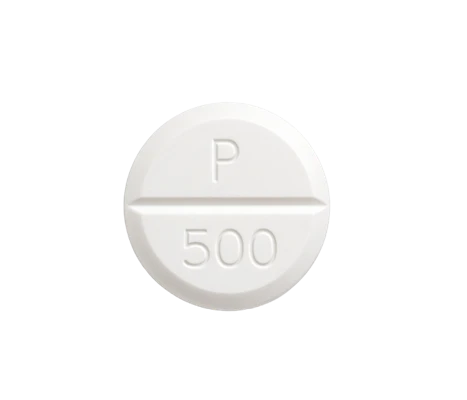
Tablets
A flipping mechanism enables inspection of both tablet faces.
Screen tablets, hard capsules and softgels for major visible defects with no change parts required. A tablet-flipping mechanism exposes both faces, supporting high-volume quality screening before downstream packaging. For pharmaceutical and nutraceutical production, including dietary supplements.
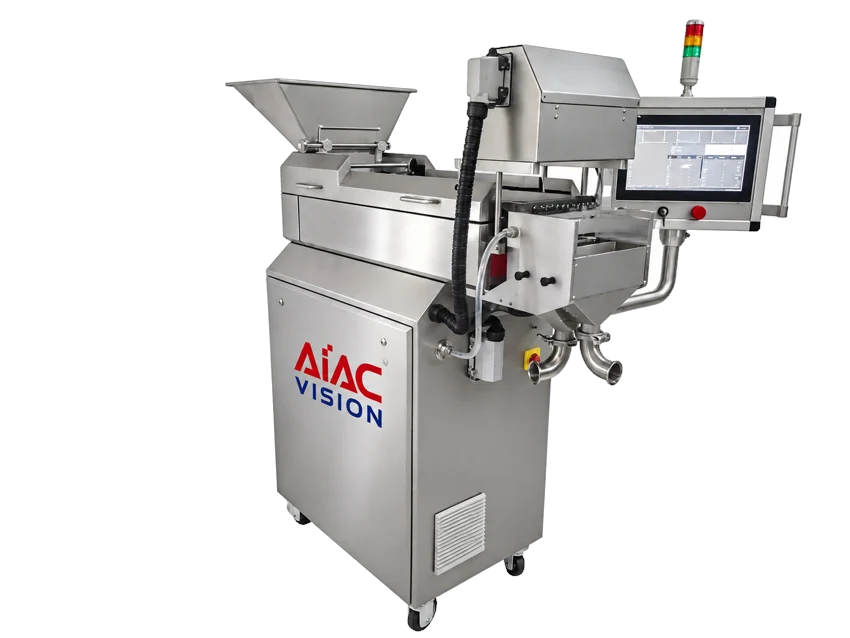
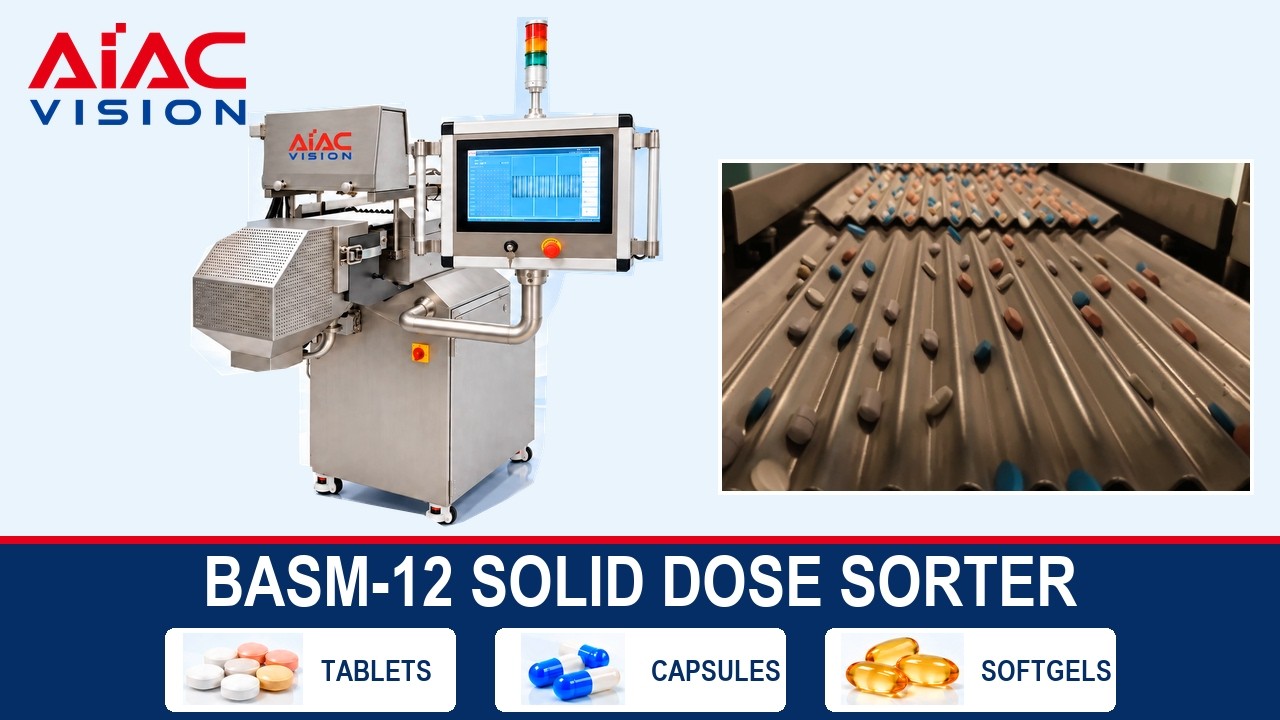
Explore the equipment, inspection process and configuration options with our team.
Recipe selection supports quick changeover among suitable tablets, hard capsules and softgels within the 5–22 mm size range.
A flipping mechanism enables inspection of both tablet faces.
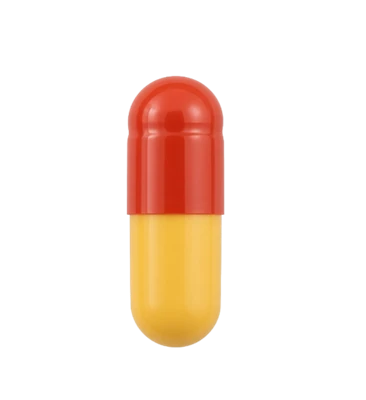
Screen exposed surfaces for major visible appearance defects.

Evaluate larger, readily visible defects using product-specific recipes.
Supported product size range: 5–22 mm. This sorter provides partial-surface inspection, not complete 360° coverage; hidden surfaces and fine cosmetic defects may not be detected.
Original image (left) · Inspection result (right)
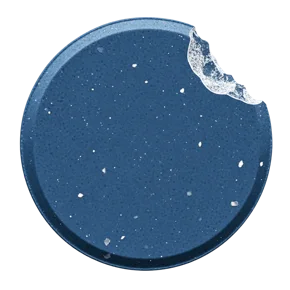
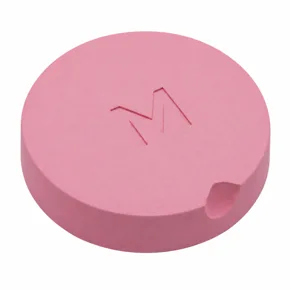
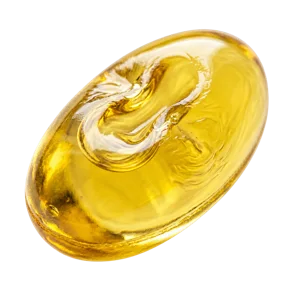
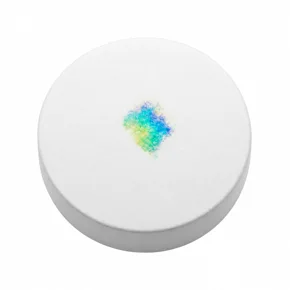
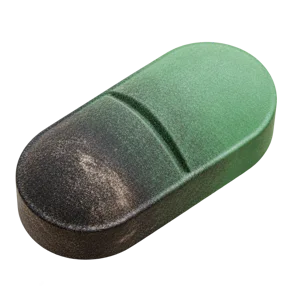
Detection depends on defect size, location, product presentation, speed and recipe settings, and is established through sample testing.
BASM-12 combines product feeding, tablet flipping and recipe-based inspection to separate products with major visible defects.
Tablets, hard capsules and softgels within the confirmed size range are presented for screening without dedicated change parts.
The flipping mechanism exposes the two major tablet faces. Inspection does not cover all surfaces in 360°.
Defined recipes and adjustable sensitivity guide inspection, with automatic separation of defective and accepted products.
Up to 200,000 products/hour is referenced to 9 mm tablets; achievable speed depends on product and feeding characteristics.
Quick recipe selection reduces dedicated tooling purchases, storage and changeover work.
Defect statistics, rejection classifications, PDF reports, audit trails and USB data/image export support quality review.
Match the product range, throughput reference and partial-surface inspection scope to your sorting application.
| Capacity | Up to 200,000 products/hour (based on 9 mm tablets) |
|---|---|
| Compatible products | Tablets, hard capsules and softgels |
| Product size range | 5–22 mm |
| Inspection coverage | Both tablet faces via flipping; not complete 360° surface coverage |
| Inspection channels | 12 |
| Cameras | 3 |
| Power | 1.5 kW |
| Power supply | 120 V AC, 60 Hz, single-phase, 3-wire |
| Air pressure | 0.6 MPa |
| Air consumption | 190.2 gal/min |
| Dimensions, L × W × H | 24.3 × 59.4 × 65.6 in |
| Total weight | 1,102 lb |
Four role-based access levels and audit-trail functions support controlled operation and applicable 21 CFR Part 11 requirements.
Throughput changes with product size, shape and feeding behavior; the listed maximum is not a universal rate for every product.
| Reference | Specification |
|---|---|
| Supported size range | 5–22 mm |
| Capacity reference product | 9 mm tablets |
| Reference capacity | Up to 200,000 products/hour |
| Inspection scope | Major visible defects on exposed surfaces; both tablet faces via flipping |
Final detection capability and achievable throughput are established through sample testing.
Use BASM-12 for high-volume screening, suspect or rework batch sorting, and checks before downstream packaging where partial-surface inspection meets the application requirements.
Our team reviews the interfaces that determine how this system fits into your line.
BASM-12 screens supported hard capsules for major visible defects and separates products according to the selected recipe.
BASM-12 supports tablet screening and sorting. Its flipping mechanism exposes both faces; inspection coverage remains partial-surface and must not be equated with AISIM full-surface inspection.
BASM-12 also supports suitable softgels for major visible defect screening. Product shape, appearance and handling conditions are evaluated for the application.
Product compatibility, inspection coverage, recipe setup and production integration.
Yes. BASM-12 can inspect and sort suitable tablets, hard capsules, and softgels on one machine, without dedicated change parts.
Product-specific inspection recipes allow manufacturers to switch between different products and sorting requirements. This flexibility makes BASM-12 useful for manufacturers handling multiple product types.
Product suitability is confirmed based on size, shape, surface condition, and feeding behavior.
BASM-12 focuses on major visible defects, including broken products, substantial chips, pronounced deformation, major discoloration, large visible stains, and visually distinguishable mixed products.
The system evaluates products against the selected inspection recipe and automatically separates those identified as defective.
Detection depends on the defect’s size and location, the exposed product surface, and the inspection settings. Representative samples help establish the appropriate acceptance criteria.
BASM-12 provides partial-surface inspection. For tablets, a flipping mechanism exposes both major faces for inspection.
For capsules and softgels, the system checks the surfaces presented to the cameras. It does not provide complete 360° coverage, so defects on hidden surfaces may not be detected.
BASM-12 is intended for screening major visible defects where this inspection coverage meets the application’s requirements.
BASM-12 is designed for high-volume screening of major visible defects, while AISIM provides more comprehensive 360° surface inspection.
BASM-12 offers flexible sorting of suitable tablets, capsules, and softgels without dedicated change parts. Its tablet-flipping mechanism exposes both tablet faces, but inspection coverage remains partial.
AISIM uses dedicated imaging stations to inspect both faces and the full sidewall, making it more suitable when defects must be detected across the entire external surface.
The appropriate choice depends on your target defects, required inspection coverage, production volume, and product range.
No dedicated change parts are required for supported products within the BASM-12 operating range.
When changing products, operators select the appropriate inspection recipe and adjust feeding and inspection settings as needed. This reduces the need to purchase, store, and replace product-specific tooling.
Cleaning and setup verification should be completed before starting the next product.
BASM-12 offers sorting speeds of up to 200,000 products per hour, based on 9 mm tablets.
Actual throughput varies with product size, shape, feeding behavior, and inspection requirements. The reference capacity should not be assumed to apply equally to every tablet, capsule, or softgel.
AIACVISION can evaluate your samples to determine an appropriate operating speed for your application.
BASM-12 supports products within a 5–22 mm size range, including suitable tablets, hard capsules, and softgels.
Compatibility depends on both product dimensions and handling characteristics. Different shapes must feed consistently and be presented appropriately to the cameras for effective sorting.
AIACVISION can evaluate round, oval, oblong, and other product shapes using representative samples to confirm suitability.
Yes. BASM-12 can be used to screen suspect or previously rejected batches and separate products with detectable visible defects from products that meet the configured inspection criteria.
This can help manufacturers evaluate batches containing issues such as broken products, substantial chips, deformation, or major discoloration.
The sorting procedure should be verified using representative samples and defined acceptance criteria. Final disposition and release of the sorted batch remain subject to the manufacturer’s quality procedures.
BASM-12 primarily uses AI-powered deep learning for product inspection and provides easy-to-use deep learning recipe setup tools.
With appropriate training, customers can independently create, adjust, and manage inspection recipes using representative acceptable products and defect samples. Saved recipes can be recalled for repeat production, making routine product changes straightforward.
Each new recipe should be verified with actual product samples before production.
BASM-12 uses product-specific deep learning recipes and adjustable inspection settings to help distinguish actual defects from acceptable variations in appearance.
Representative good products—including normal variations in color, shape, and surface appearance—help establish suitable inspection criteria. Known defect samples are then used to verify that unacceptable products are detected.
Stable feeding and consistent product presentation also support reliable results. Setup verification should evaluate both defect detection and the false rejection of acceptable products.
BASM-12 uses an air-blow rejection system to remove products identified as defective during inspection.
Accepted products continue to the designated discharge outlet, while rejected products are directed into a separate collection area. This automatic separation supports efficient sorting and allows rejected products to be reviewed by the quality team.
Yes. BASM-12 can operate as a standalone sorting machine or be integrated into an existing production line.
An elevator feeder can supply products to the sorter, supporting convenient loading and a steady product flow. This arrangement is suitable for batch sorting and can also be incorporated into a production-line layout.
AIACVISION can review your feeding, discharge, throughput, and floor-space requirements to recommend an appropriate configuration.
BASM-12 features a vibratory feeding tray that can be easily removed for cleaning, giving operators convenient access to remove residual products and clean product-contact surfaces between batches.
This removable design simplifies routine cleaning and product changeover, helping reduce product carryover and cross-contamination risk.
Cleaning should follow the established procedure for the products being processed.
BASM-12 provides defect statistics, rejection classifications, defect images, and PDF reports to support batch review, quality traceability, and analysis.
Inspection records and reports can be:
User access controls and audit-trail functions support controlled operation and traceability, according to the selected software configuration. Report formats, data-retention requirements, and MES interfaces can be defined according to your production and IT requirements.
Share your product type, target defects and required capacity. We will help you evaluate the next step.